
 Target account development Reach decision-makers at target companies.
 New market entry Test a sector before investing in it.
 International expansion First customers in a new country.
 Launching a new offering Measure market interest in a product.
 Commercial opportunities programme Qualified meetings every week for 90 days.
 Signal-based outreach Engage when the need arises.
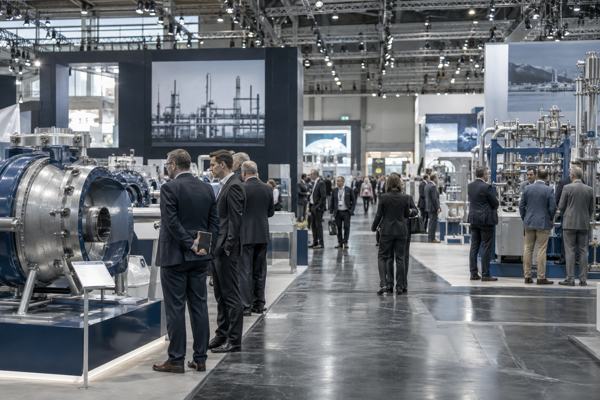 Trade shows and events A full schedule before the trade show opens.
 Account reactivation Reconnect with lost accounts.
 Eleven industry groups
 Nine engagements, from situation to outcome
 Regulations and markets
 Firm presentation
 A commercial growth firm
The multi-year increase in European institutional space programmes creates a commercial signal for suppliers in the sector. However, this commitment must be assessed programme by programme, as it does not demonstrate that a project or budget is accessible to a given company.
An institutional commitment to monitor through 2028
European Space Agency members have committed 22.3 billion euros. This amount confirms the multi-year growth of European institutional programmes. The timeframe selected for monitoring this signal runs until 31 December 2028.
This aggregate commitment does not make it possible to identify accessible markets directly. It must be considered alongside public programmes, the responsible agencies, established consortia and the prime contractors concerned. The presence of institutional funding does not mean that a call for tenders is open or that a specific company has an available budget.
Demand driven by institutional programmes
Eurospace attributes the majority of final sales in the European space sector in 2025 to European institutional programmes. This distribution demonstrates the importance of public procurement and institution-backed programmes. Suppliers must therefore understand the decision-making channels associated with these programmes, beyond a simple list of companies in the sector.
Funding can also be monitored at national level. The space component of the 2030 national investment plan has a budget of 1.5 billion euros. This amount provides an additional indicator, but does not imply that a project is open or that a supplier is eligible.
A downstream market distinct from public programmes
The ESA's Space Economy Report 2026 estimates the downstream market at approximately €490 billion in 2025. This market is described as largely commercial. It must therefore be distinguished from the European space industry's final sales linked to institutional programmes.
This distinction changes the commercial qualification. An offer intended for a public programme does not necessarily target the same contacts as an offer intended for a downstream user. We need to determine whether the proposal concerns an agency, a prime contractor, a consortium member or a commercial user of space services.
Industrial concentration that limits direct access
According to Eurospace, the 30 largest space units in Europe account for nearly 70% of total employment in the sector. This concentration gives significant weight to a limited number of organisations. It can focus prospecting on prime contractors and organisations already involved in programmes.
Access nevertheless remains constrained. Some markets are captive, already allocated or subject to sovereign criteria. A company may also lack the references, qualifications or capacity required to join a programme or consortium.
What this changes for suppliers
Relevant suppliers must start with a specific offering and identify the programmes it can address. We then recommend mapping the agencies, lead contractors, consortia and downstream users involved. This approach distinguishes organisations with an actual role from companies that are merely present in the sector.
We can monitor public programmes, identify decision-makers and qualify their interest in a given offering. The commercial population must remain defined by the ICPs and filters of the relevant campaigns, without inferring a uniform legal threshold. We exclude activities outside the product scope, territory or legal role, and we neither respond to tenders nor guarantee an award.