
 Target account development Reach decision-makers at target companies.
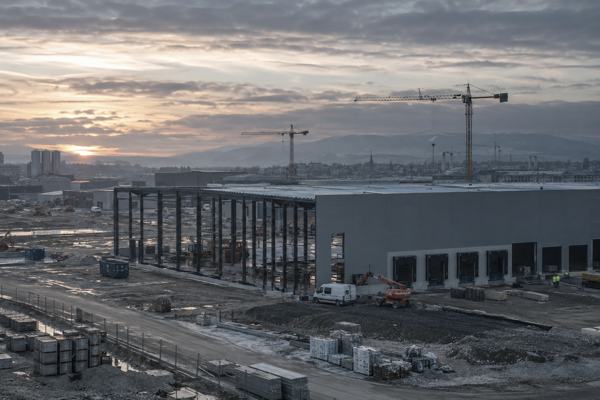 New market entry Test a sector before investing in it.
 International expansion First customers in a new country.
 Launching a new offering Measure market interest in a product.
 Commercial opportunities programme Qualified meetings every week for 90 days.
 Signal-based outreach Engage when the need arises.
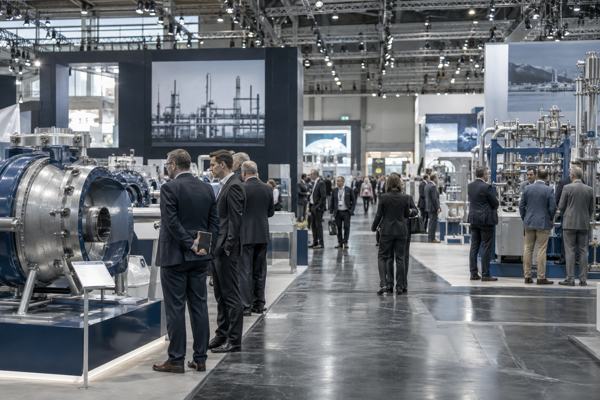 Trade shows and events A full schedule before the trade show opens.
 Account reactivation Reconnect with lost accounts.
 Eleven industry groups
 Nine engagements, from situation to outcome
 Regulations and markets
 Firm presentation
 A commercial growth firm
The expansion of Europe's defence industrial base relies on firm, multi-year orders. For suppliers of non-lethal or dual-use capabilities, however, the commercial potential depends on funded programmes, the products procured and whether panels are genuinely open.
An industrial direction supported by orders
The White Paper on European Defence directly links increased production capacity to consistent order volumes. Industrial companies need a robust, multi-year flow of orders to commit additional capacity. The political horizon set for 2030 provides direction, but purchasing schedules must be qualified programme by programme.
The 2025 results published by GIFAS provide another indicator of activity. Defence activity reached €22.3 billion, up 11.9%, while orders in the aerospace sector totalled €88.6 billion, an increase of 5.5%. GIFAS nevertheless states that the budgetary translation of this direction into programmes will be decisive.
Potential needs across several industrial functions
Foundries already qualified for aerospace or defence may seek demand for cast parts from equipment manufacturers and tier 1 suppliers. Relevant contacts include foundry procurement, supplier development and industrial management. For qualified forging and stamping companies, the approach focuses on blanks and forged parts compatible with the targeted programmes.
Precision machining, bar turning, sheet metal work, boiler making and mechanical welding can also meet production needs. The target buyers are those responsible for machining, subcontracting, industrialisation or supplier development. Composite processors, mould makers and toolmakers can also contribute to parts, subassemblies, moulds or tooling for new industrialisation projects.
The panel must be confirmed as open before prospecting
A policy direction does not constitute a call for tenders and does not guarantee the existence of an accessible budget. An aerospace, defence, space, energy or material-related qualification is no more proof that a buyer is looking for a new supplier. The requirement may be met by companies that already have approved supplier status.
Commercial qualification must therefore begin with the reference actually purchased, followed by the status of the supplier panel. We must also check that the supplier has available civilian capacity before any discussion. This sequence avoids contacting buyers solely on the basis of a general increase in activity.
What this changes for suppliers
Qualified suppliers can use this signal to target accounts involved in industrialisation or capacity expansion. The approach should remain limited to non-lethal or dual-use parts, subassemblies, tooling and capabilities compatible with their expertise. It is more effective when targeting specific functions such as category procurement, industrialisation, process engineering, programme management or supplier development.
We recommend structuring each approach around a purchased item and a verifiable assumption that the supplier panel is open. The sales case must present the available qualifications, proven processes and capacity that can genuinely be made available, without inferring an accessible need from policy direction alone. Timelines and budgets must then be confirmed for each programme before broader prospecting begins.