
 Target account development Reach decision-makers at target companies.
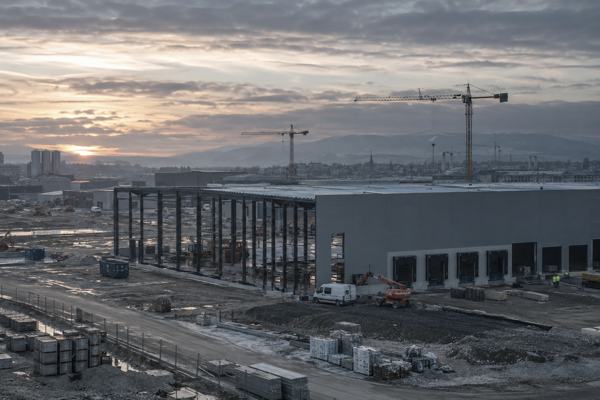 New market entry Test a sector before investing in it.
 International expansion First customers in a new country.
 Launching a new offering Measure market interest in a product.
 Commercial opportunities programme Qualified meetings every week for 90 days.
 Signal-based outreach Engage when the need arises.
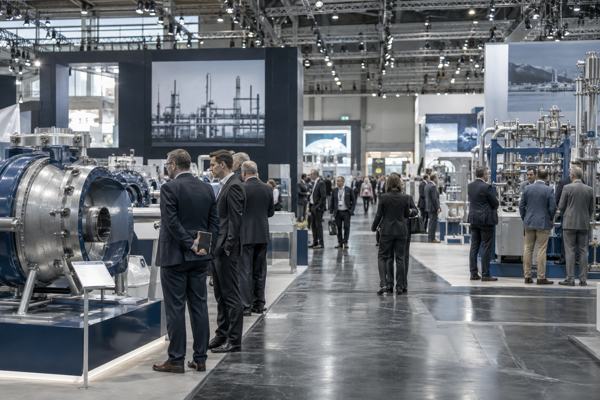 Trade shows and events A full schedule before the trade show opens.
 Account reactivation Reconnect with lost accounts.
 Eleven industry groups
 Nine engagements, from situation to outcome
 Regulations and markets
 Firm presentation
 A commercial growth firm
An industrial director gives their attention to people who understand their constraints and quickly provide a specific reason for making contact. We therefore prepare each approach around an identifiable operational problem, a credible proposal and a simple next step.
Prepare the outreach based on the industrial context
Before making contact, we seek to understand the site's role, activities and apparent organisation. The available information often helps identify potential topics: capacity, quality, maintenance, safety, energy, automation or supplier management. The aim is not to claim knowledge of the internal situation, but to develop a reasonable working hypothesis.
We also verify that the industrial director is the right point of entry. Depending on the offer, the decision may lie with site management, process engineering, maintenance, procurement or a central technical department. When several functions are involved, we adapt the message to each person's role rather than sending an identical presentation.
Define a specific reason for making contact
The initial message must clearly explain why we are contacting this person and how the subject may relate to their operations. Effective wording starts with an observable situation or business issue, then indicates the type of outcome the supplier can help achieve. It avoids general promises about performance, innovation or service quality.
We present the offering in terms directly related to industrial operations. This may involve reducing manual intervention, improving control of a production stage, making supplies more reliable or limiting equipment-related disruption. Without a customer reference or verifiable data, we remain factual about the supplier's capabilities and the conditions in which they may be useful.
Choosing a request that is easy to handle
The initial contact is not intended to secure a complete request for quotation or a site visit immediately. Instead, we propose a short discussion to confirm whether the issue exists, understand its priority and identify the people involved. This limited request reduces the effort required from the recipient and makes a direct response easier.
We also provide an option to redirect the contact. A simple sentence can ask whether the matter falls under the responsibility of maintenance, process engineering, production or procurement. This approach recognises the reality of industrial organisations and enables progress without expecting the industrial director to handle the matter personally.
Follow up without repeating the same message
A useful follow-up provides additional information rather than repeating the first email. We can specify a use case, an implementation condition, a relevant equipment category or a qualification question. The message remains brief and reiterates the link with the assumed operational priorities.
When a contact does not respond, we avoid interpreting the silence too quickly as a refusal. Production constraints, maintenance shutdowns, audits and internal emergencies may delay the handling of an enquiry. We space out contact attempts, vary the channel where relevant and stop the sequence if there is no indication of interest.
What we recommend
We recommend structuring the initial contact around a specific operational hypothesis, without immediately presenting the full offer. The message must demonstrate sufficient understanding of the context while allowing the industrial director to correct the hypothesis. This approach encourages a qualification conversation rather than a premature sales presentation.
Finally, we prepare the next step before sending the message. If a discussion is accepted, we must be able to ask questions about the relevant process, site constraints, solutions already in use, stakeholders and the internal timetable. The initial contact works when it opens a practical assessment and makes it possible to decide quickly whether a commercial approach is worth pursuing.